Amniotic fluid is vital to the well-being of the fetus. It cushions the fetus from injury, helps prevent compression of the umbilical cord, and allows room for it to move and grow. In addition, its bacteriostatic action helps prevent infection of the intra-amniotic environment. The quantity of amniotic fluid at any time in gestation is the product of water exchange between the mother, fetus, and placenta, and is maintained within a relatively narrow range. Disorders of this regulatory process can lead to either polyhydramnios or oligohydramnios, in which too much or too little fluid exists, respectively. These disorders may result from abnormal fetal or maternal conditions and, conversely, may be responsible for alterations of fetal well-being as well. With the advent of real-time ultrasonography, assessment of amniotic fluid has been possible, resulting in earlier recognition of abnormal conditions and possible intervention.
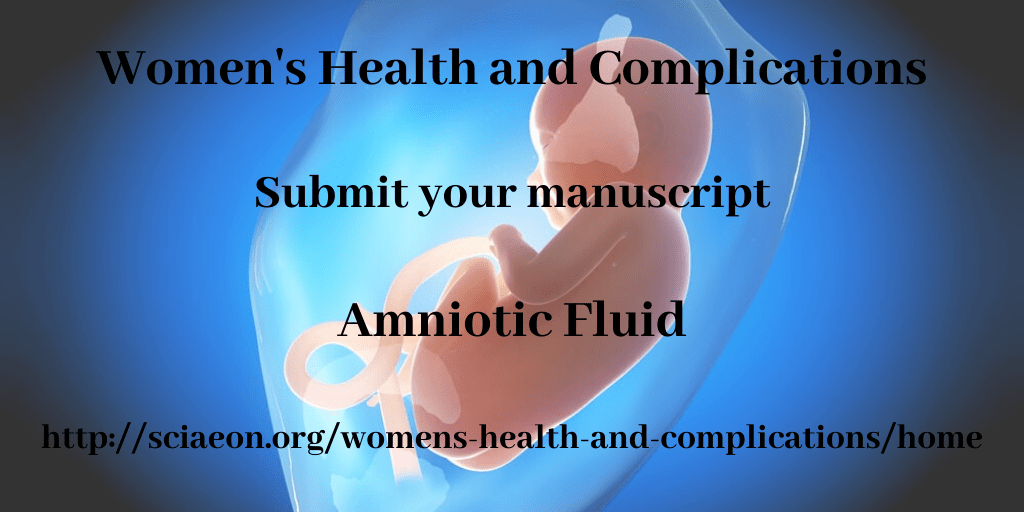
For more: http://sciaeon.org/womens-health-and-complications/home
Submit your manuscript: http://sciaeon.org/submit-paper
Contact us: whc@sciaeonopenaccess.com

 Women's Health and Complications